
For Architects & Designers
Your images do more work than you realize. They just can't prove it.
Architecture and design run on images. From the first precedent search to the final rendering submitted for public approval, your work is communicated, sold, and archived through imagery at every phase.
During concept and schematic design, you're pulling from everywhere - site captures, reference images, precedent libraries built over years of practice. These collections grow fast. A mid-sized firm might accumulate tens of thousands of images across projects, drives, and team members. Most carry no meaningful information about where they came from, who captured them, what project they served, or whether they can be reused.
Your own output has the same problem in reverse. Renderings produced for client presentations, board approvals, and public review get shared widely - emailed, posted, presented, sometimes reposted without credit. Once they leave your hands, the context goes with them. The studio name, the project, the intent - gone. What remains is a pixel file that machines read as nothing.
How VISID helps
VISID embeds structured identity directly into the image file at the moment you stamp it. Title, description, keywords, authorship, rights, and a unique VISID identifier - all written into the file itself using open standards that any system can read.
For your precedent library, that means every image carries its own context. Where it came from. What it shows. How it relates to a project. Searchable by machines, readable by humans, without depending on folder names or someone's memory.
For your renderings, it means your studio's identity travels with the image. Copyright, attribution, AI training permissions - embedded, machine-readable, permanent. A rendering stamped with VISID carries proof of origin that survives sharing, downloading, and reposting.
And at project closeout, stamped imagery becomes part of a structured archive - images that know what they are, when they were created, and what project they belonged to.
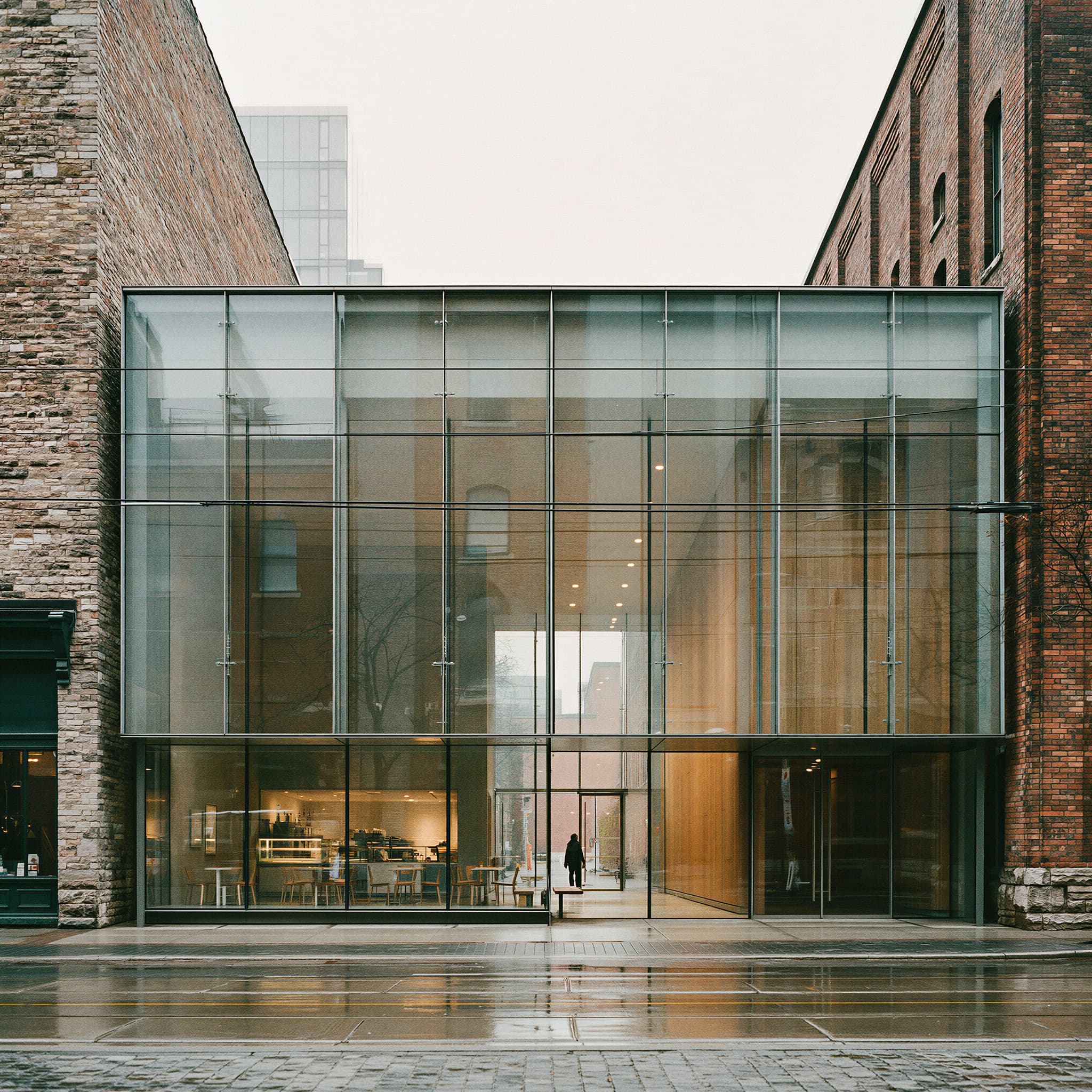
XMP-DC
XMP-LR
XMP-VISID
XMP-XMP
VISID Stamp Output — Modern Urban Architecture Facade

XMP-DC
XMP-LR
XMP-VISID
XMP-XMP
VISID Stamp Output — Photorealistic Architectural Rendering of Museum
What matters most for your workflow
AI-powered metadata enrichment
VISID analyzes your image and generates title, description, and keywords tuned to architectural vocabulary. Domain-aware - a rendering gets different metadata than a site photograph.
Authorship and rights embedded
Your studio name, copyright, and usage rights written into every file. Not a caption, not a watermark - embedded in the file itself, readable by any system.
AI training declaration
Explicitly declare whether your renderings can be used to train AI models. Embedded in the file, machine-readable, clear - before your work enters the world.
Persistent public verify record
Every stamped image gets a persistent record at visid.app/verify/[visid]. Shareable, resolvable, always points back to you.
Batch stamping
Drop an entire project folder. VISID processes images one by one while you work - no manual field entry per image.
Stamping profiles
Save your studio's standard attribution, rights, and settings as a named profile. Load it for every project. Consistent metadata across every deliverable.
Further reading
Want to get started?
Sign Up →