
About VISID
Machines have learned to recognize images. They can identify objects, scenes, and styles with remarkable accuracy.
But recognition isn't understanding. Without structured signals, machines can't reliably tell you who made an image, what it was intended for, or what it means in context. They fill those gaps with inference, educated guesses based on whatever clues happen to be nearby.
Nearly 85% of images online have no embedded metadata at all. Of those that do, only one in five contains anything meaningful - authorship, description, rights. Combined, roughly 97% of images on the web lack any meaningful creator attribution or context. In a world increasingly driven by algorithms and AI systems, that leaves the vast majority of visuals effectively invisible.
Think of it like a billboard with no text. Drivers can see it clearly. But without words, nobody knows what you're selling, who you are, or how to find you.
VISID provides those signals - embedding authorship, intent, and meaning directly into the image file so machines don't have to guess.
Who VISID is for
Photographers
Preserve authorship and make your work discoverable and attributable across the web.
Stock Photography Contributors
Generate consistent titles, keywords, and descriptions that support discoverability at scale.
Brands & eCommerce Teams
Turn product imagery into structured assets that perform better in search and AI-driven discovery.
CGI / 3D / Concept Artists
Your style, your renders, your ideas - embedded with authorship and AI training permissions before they leave your hands. In an industry that moves fast, provenance is protection.
Architects & Designers
Build structured image libraries from precedent to deliverable - with authorship, context, and rights embedded at every phase.
Publishers & Archivists
Embed provenance, licensing, and version clarity directly into assets.
Online Shops & Sellers
Stop letting the platform decide who sees your listings. Embed structured identity into every product image before it reaches any algorithm.
Families & Personal Libraries
Add names, context, and meaning to personal archives that would otherwise be lost over time.

XMP-DC
XMP-LR
XMP-VISID
XMP-XMP
VISID Stamp Output — Cinematic portrait of an older man
XMP-DC
XMP-LR
XMP-VISID
XMP-XMP
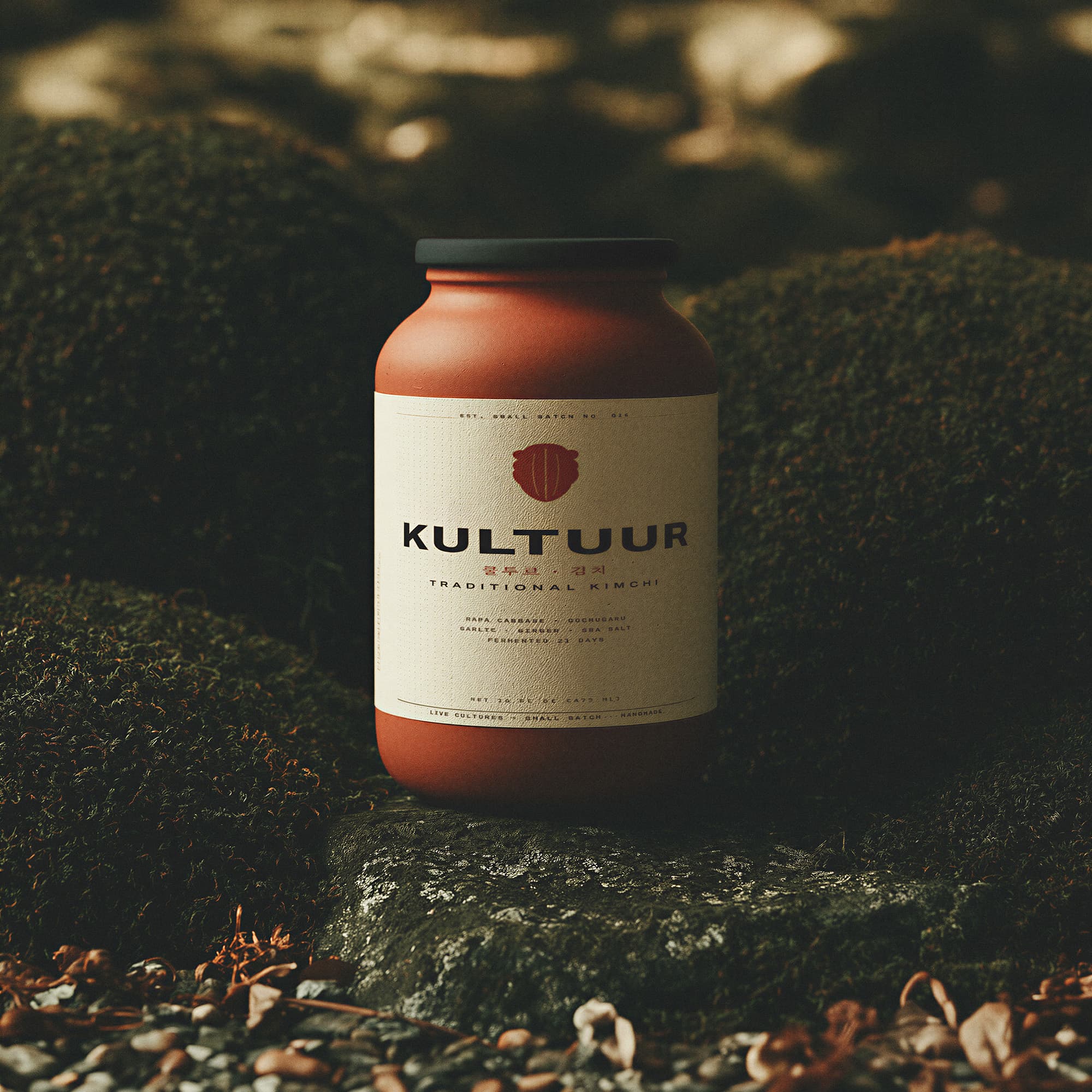
VISID Stamp Output — Kultuur Traditional Kimchi Jar
XMP-DC
XMP-LR
XMP-VISID
XMP-XMP
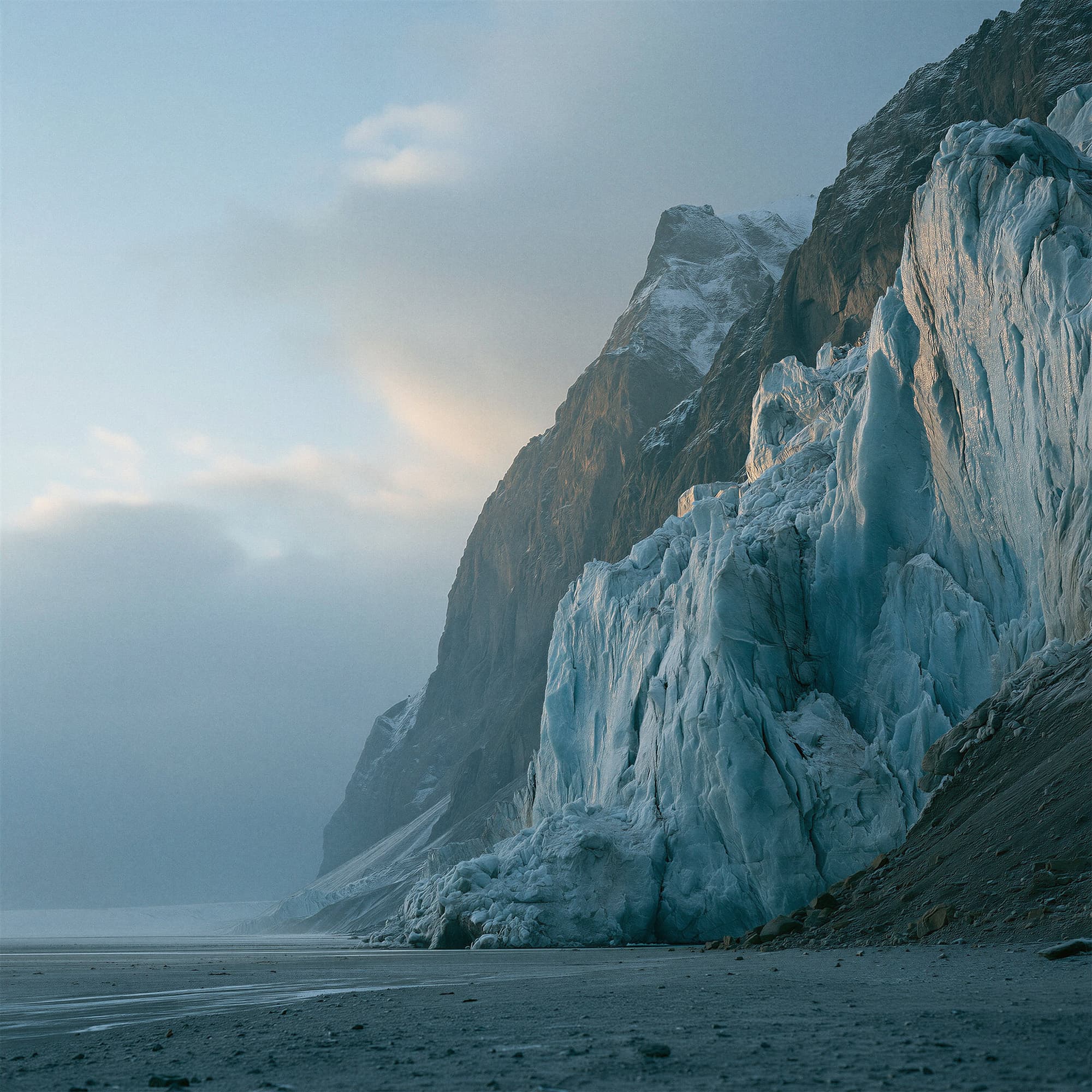
VISID Stamp Output — Icelandic Glacier Landscape at Dawn

XMP-DC
XMP-LR
XMP-VISID
XMP-XMP
VISID Stamp Output — 1980 Family Reunion by the Pool
VISID Features
VISID Stamp
The core tool. Upload your image, VISID does the rest.
- •AI-powered metadata enrichment - choose AI Enriched or SEO Calibrated
- •Embeds structured identity directly into the file - title, description, keywords, authorship, rights
- •User-controlled metadata handling - preserve existing camera data or start with a clean slate
- •Declares your AI training preferences, embedded in the file itself
- •Assigns a unique VISID identifier and creates a permanent public verify record
- •Supports JPEG, PNG, and WebP
VISID View
Inspect any image's metadata instantly, no software required.
- •Upload a local file or paste any image URL
- •See everything embedded in an image - EXIF, IPTC, XMP, VISID fields
- •Output is organized into three signal categories: Discovery (keywords, descriptions, SEO fields), Attribution (authorship, copyright, rights declarations, AI training permissions), and Provenance (camera data, edit history, creation timestamps, VISID identity)
- •Works on any image, stamped or not - JPEG, PNG, and WebP
VISID Verify
A public index of every stamped image. Query by VISID, by image upload, or by image URL - no account required.
- •Upload a file, paste an image URL, or enter a VISID to query the public index and surface its identity, version history, and image family
- •Returns the creator's declared record - who stamped it, when, with what intent, and how the image has changed across versions
- •Every stamped image has a permanent, machine-readable public record at visid.app/verify/[visid] - resolvable even if the file is stripped or the source page is gone
- •Anyone can verify a stamped image without an account - VISID records are public by design
Also included
- •Platform-ready social captions for Instagram, Pinterest, LinkedIn, and X
- •JSON-LD structured data for web publishers
- •Vi - an AI assistant for image and metadata questions
- •Link - a permanent repository of every image you've stamped, and where you connect it to the web
Want to understand the full picture - how images work today, why it matters, and where VISID fits?
How Machines Understand Images Today
When a search engine or AI system encounters an image, it doesn't see it the way you do. It builds an interpretation from multiple signals working together:
Text signals
The words around the image. Page title, headings, captions, alt text, surrounding copy. These are the signals systems trust most because text has been structured and indexed for decades.
Structured signals
Machine-readable data embedded invisibly in the page code, typically as JSON-LD. Unlike headers and captions that humans read, this layer exists purely for machines. When present, it gives systems explicit, reliable facts about the image - who made it, what it shows, how it can be used. Most pages don't include it. When they do, it significantly increases a system's confidence in its interpretation.
Visual signals
AI vision models that analyze the image itself. These can identify objects, scenes, styles, and patterns with impressive accuracy. But they infer, they don't know. A model can recognize a chair. It can't tell you it's a limited-edition piece by a specific designer, photographed for a specific campaign, with specific usage rights.
Contextual signals
Links, related pages, domain authority. The broader web context that helps systems assess relevance and credibility.
Most of the time, these signals are incomplete, inconsistent, or missing entirely. When that happens, systems have to weight whatever they have, and confidence drops. Low confidence means lower ranking, less visibility, and a higher chance of misinterpretation.
The images that perform best aren't necessarily the most visually striking. They're the ones whose signals align most clearly with what a system is trying to understand.
Where This Is Heading
Search is changing in a fundamental way. For decades, ranking was primarily about relevance - matching keywords to queries. That model is giving way to something more complex: confidence-based selection.
AI-powered search systems don't just find content that matches a query. They assess it. They weigh signals, evaluate consistency, and make judgments about trustworthiness. The question is no longer just “does this content match?” It's “how confident am I that this content means what it appears to mean?”
For text, this problem was largely solved years ago. Structured data standards like schema.org gave the web a common language for describing what pages are about. Search engines learned to trust it. Billions of web pages now speak that language.
Images never got there.
Visual content has been left behind in this transition. The same AI systems that can parse a structured product page with high confidence are still largely guessing at what most images represent. They rely on surrounding context that may or may not be there, on visual inference that can't capture intent, on alt text that's usually missing or generic.
As AI agents become more autonomous - selecting, ranking, and surfacing content without a human in the loop - this gap becomes more consequential. An agent deciding which product image to feature, which portfolio to recommend, which photograph to license, will favor content it can interpret with confidence over content it has to guess at.
Structured metadata isn't just useful in this environment. It's becoming a competitive advantage.
The window to act on this is open now - before structured image metadata becomes an expectation rather than a differentiator. The creators and brands who build this layer into their workflow today will have a measurable advantage as AI-driven discovery matures.
VISID is built specifically for this moment.
The Gap VISID Fills
Most tools that write image metadata are manual and static. You type a description, add some keywords, save. The data sits in the file - useful if preserved, gone if stripped, and never connected to anything larger.
VISID approaches this differently.
When you stamp an image, VISID runs an AI analysis of the visual content and generates a structured description - title, keywords, description, domain-specific context - tuned to how discovery systems actually interpret images. That description is then embedded directly into the image file using open standards that any system can read.
But the file is only the first layer.
The same structured data is expressed as JSON-LD, the language search engines trust most for understanding page content. This gives the web layer a consistent, explicit signal that doesn't depend on the file's metadata surviving platform handling.
And every stamped image receives a permanent public record - a stable, machine-readable page at visid.app/verify/[visid] that any system can reference. Even if the file is stripped and the page context is lost, the record remains. The image retains a traceable identity.
These three layers - the file, the page, the public record - describe the same image in three different ways that different systems are built to read. When they align, the signal is clear and consistent. Systems don't have to guess. Confidence increases.
This is what VISID provides that no single metadata tool, alt text field, or AI vision model can provide alone - a complete, persistent, machine-readable identity that travels with the image across the web.
What VISID Is Not
Being clear about limitations is part of building something worth trusting.
VISID is not DRM.
It does not lock files, restrict access, or prevent copying. It provides identity and context, not control.
VISID does not guarantee metadata survival.
Some platforms strip embedded metadata automatically. Social networks, messaging apps, and certain marketplaces will remove it regardless. VISID accounts for this through the page and public record layers, but the embedded data itself is not indestructible.
VISID does not enforce ownership or rights.
Embedding a copyright declaration doesn't prevent infringement. VISID makes your ownership clear and machine-readable. What happens after that is outside the system.
VISID is not blockchain-based.
No tokens, no NFTs, no speculative infrastructure. VISID is built on open, established standards - EXIF, IPTC, XMP - that have existed for decades and are supported everywhere.
VISID does not guarantee search rankings.
Structured signals improve the quality of information available to search systems. How those systems weight and rank content is their decision, not ours.
VISID is not a new file format.
Your images remain JPEG, PNG, or WebP. Nothing proprietary, nothing that requires special software to open or use.
Further Reading
The ideas behind VISID sit at the intersection of several fast-moving areas - AI search, image discoverability, metadata infrastructure, and creator rights in an automated world.
EU AI Act Article 50 Is Now Enforceable. Here's What It Actually Says. →
The discourse has been a mix of panic, oversimplification, and outright misinformation. Here is what the regulation actually requires — and what it doesn't.
VISID - Small Test. Interesting Signal. →
A controlled test of VISID on Pinterest using six matched image pairs - a test of image discovery across 60 days surrounding World Cup 2026 events.
Empty Vessel in a Sea of Images →
Images carry meaning because of the words around them. Strip that away and what's left is an empty vessel, adrift in a sea of images exactly like it, with no memory of where it came from, who created it, or why it exists.
Images Were Never Built for Machines →
The internet learned to read text. It never learned to read images. That gap is about to matter.
The Primitive the Internet Forgot →
Metadata is a 4,000 year old human instinct. The internet inherited it for text and stripped it from images. AI is about to make that gap catastrophic.